Hungarian Wound Care Society
Introductions to the portal site's Hungarian blog posts in English

DHA and Wound Healing
August 13, 2026
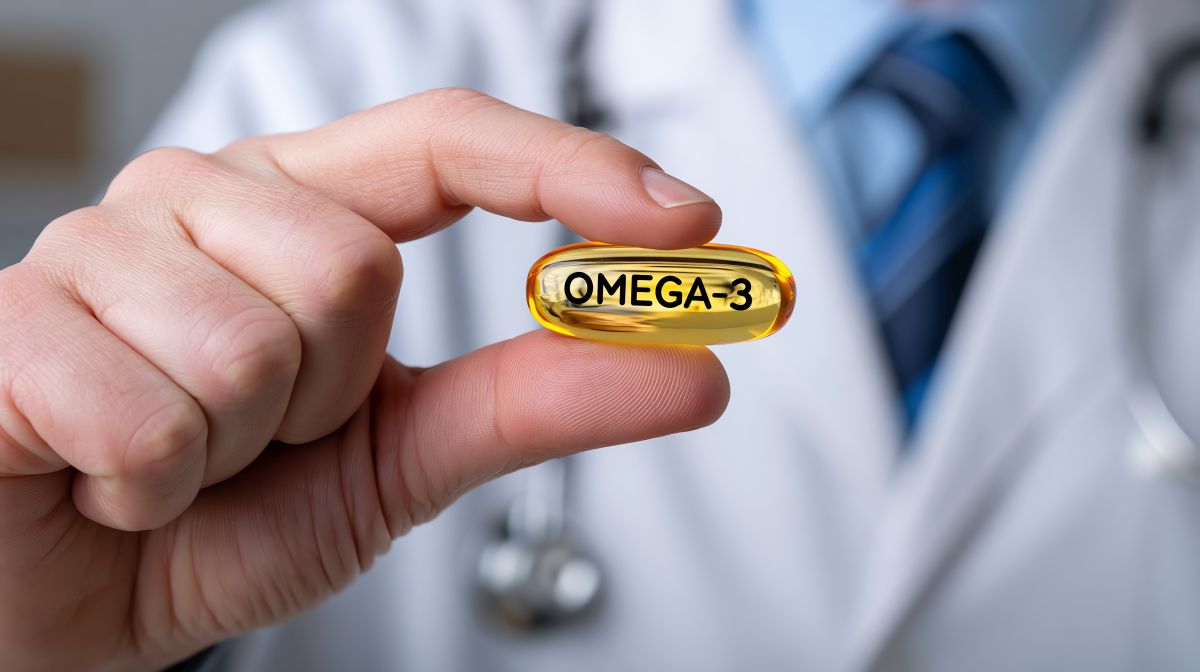 The relationship between DHA (Docosahexaenoic acid) and wound healing clearly illustrates just how complex the treatment of a chronic wound is. DHA may act as a precursor to lipid mediators that help resolve inflammation and, in experimental models, may also support tissue regeneration. At the same time, in acute wound models, higher DHA levels have been associated with prolonged inflammation and a decline in the quality of healed tissue. Therefore, it may be more accurate today to say that DHA is not simply an anti-inflammatory agent, but rather one of the possible tools for regulating inflammatory processes. And this distinction is of enormous significance in wound care. Based on current evidence, therefore, DHA is more of a promising avenue for research than a proven standalone wound treatment method. Adequate nutritional status, addressing the underlying cause of the wound, infection control, adequate perfusion, and evidence-based local wound care remain the foundation. The role of DHA, when used for appropriate indications and evaluated by a specialist, may become truly noteworthy.
Theranostics and Wound Healing
July 30, 2026
 Theranostics is a field of medicine that has the potential to fundamentally transform the approach to wound care. The goal is not merely to assess the condition of a wound after the fact, but to continuously monitor it and provide immediate, personalized support. In the future, it is conceivable that a smart dressing or biomaterial will not only protect the wound but also “report” on its condition, detect dangerous changes, and even initiate a therapeutic response. This approach could be particularly significant in the treatment of chronic wounds, where rapid detection and an individualized therapeutic strategy often determine the chances of healing. Theranostics, therefore, is not simply a new technology but a new way of thinking; diagnosis, treatment, and continuous patient monitoring can become part of a single integrated system.
Epigenetics and Wound Healing
July 16, 2026
 Understanding the connection between epigenetics and wound care fundamentally changes our perspective on regenerative medicine. Wound healing can no longer be viewed as a rigid, unchangeable process determined solely by a patient’s inherited genes. Rather, it is a continuous, dynamic dialogue between cells and the wound microenvironment. With every wound bed preparation, every effort to control infections, every step to ensure the appropriate microenvironment, and every measure to optimize the patient’s nutritional and metabolic status, we directly intervene in this invisible molecular dialogue. DNA methylation patterns, histone packaging, and the immune system’s epigenetic memory all respond to the local and systemic environment we provide.
Gladiolus and Wound Healing
June 29, 2026
 The history of the gladiolus is an excellent example of how traditional folk medicine and modern nanotechnology can come together. Modern phytochemical research has confirmed that Gladiolus is rich in compounds with antioxidant, anti-inflammatory, and antimicrobial effects. A groundbreaking study published in 2026 went even further: it demonstrated that carbon nanoparticles derived from the gladiolus are capable of exerting hemostatic, antioxidant, and immunomodulatory effects simultaneously. In experiments, these substances significantly accelerated the healing of wounds caused by diabetes and radiation.
Virtual reality and Wound Healing
June 11, 2026
 The journey of virtual reality in medicine is an excellent example of how a technology originally intended for the entertainment industry can become a clinically significant tool. From early, clunky systems, we have now reached a point where systematic clinical research and randomized trials clearly demonstrate the value of VR in the treatment of acute and chronic wounds. VR is not merely a digital painkiller; it is a non-invasive, side-effect-free alternative that restores patients’ dignity and drastically improves their quality of life during their most vulnerable moments. As technology converges with artificial intelligence and biometric sensors, virtual reality will become an indispensable, standard pillar of the future’s intelligent, holistic wound care, definitively proving that the power of the mind and properly directed attention can triumph over physical pain.
Dandelion and Wound Healing
May 29, 2026
 Dandelion, or Taraxacum officinale, is much more than just a weed. Traditional medicine has used it for centuries to treat skin problems and minor wounds, and modern science is finding increasing evidence that this use was not without merit. Based on current research, dandelion may possess antioxidant, anti-inflammatory, antibacterial, and anti-biofilm properties. These effects theoretically support the various phases of wound healing. For modern phytotherapy and biomaterial research, the plant represents a particularly exciting opportunity, as its naturally occurring bioactive compounds can intervene in regenerative processes at multiple points. At the same time, it is important to exercise scientific caution. Although the results of in vitro and animal studies are promising, the number of human clinical trials is still limited. One of the most important tasks for future research will be to determine in what form, at what dose, and for which types of wounds dandelion can be used safely and effectively.
Ground ivy and Wound Healing
May 14, 2026
 The ground ivy appears in spring almost everywhere in gardens, meadows, forest edges and shady courtyards in Europe – including Hungary. Its history is a good example of how traditional knowledge and modern science are connected. Its journey goes from the bloody bandages of medieval battlefields to the sterile flasks of modern laboratories. In the past, it was used to treat wounds based on instinctive observations, and in the present, laboratory and clinical research supports its effectiveness. It has real potential in modern medicine due to its antibacterial, anti-inflammatory and wound-healing properties.
Corn and Wound Healing
April 30, 2026
 The relationship between corn and wound healing is an exciting example of how traditional knowledge and modern science are intertwined. Although corn is primarily known as a food, certain parts of it – especially corn bran and germ oil – have long been present in folk medicine, including in the treatment of wounds. The antioxidants, fatty acids and anti-inflammatory compounds found in it also support scientific evidence that corn can contribute to skin regeneration and support wound healing. However, based on current research, we can consider it as a complementary rather than a primary therapeutic tool.
Ultraviolet radiation and Wound Healing
April 17, 2026
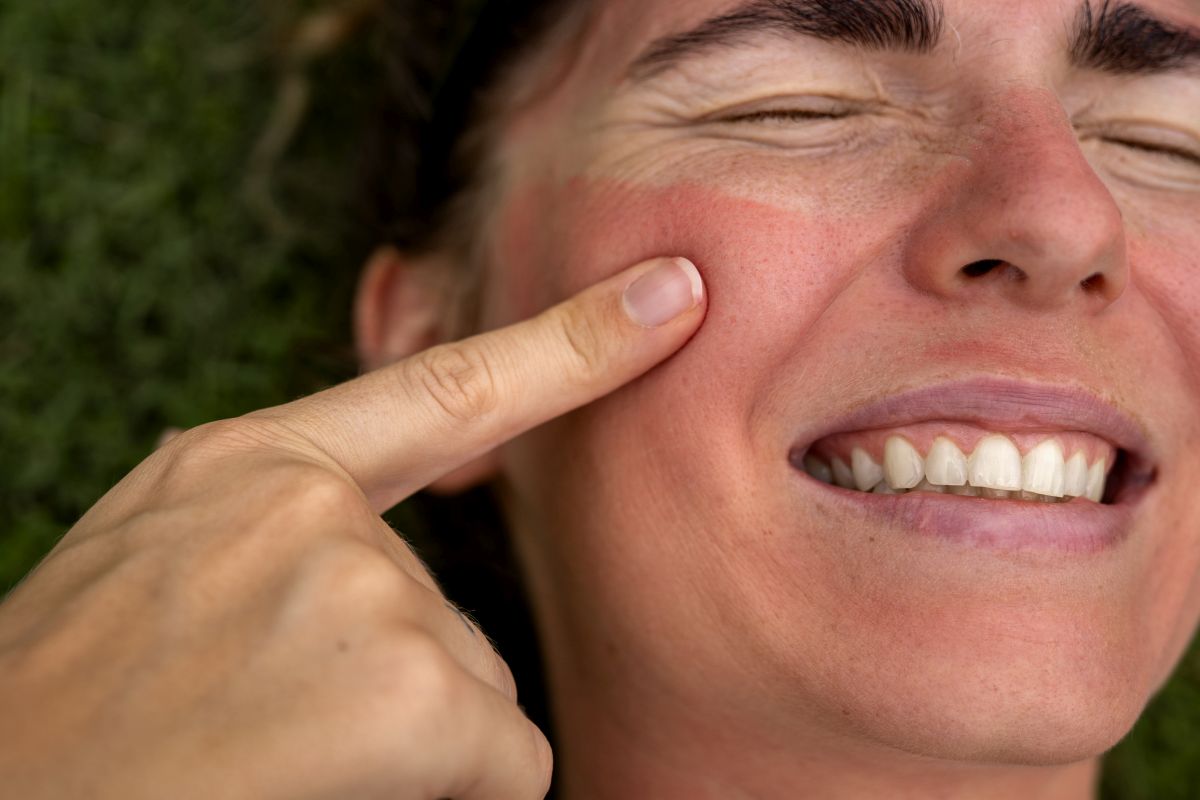 UV radiation plays a dual role in wound healing. When used appropriately, it can help regulate the inflammatory response, stimulate cell division and effectively reduce bacterial load, which is especially important in chronic or infected wounds. However, excessive or inappropriate use can cause cell damage, delayed healing and long-term health damage. The use of UV therapy requires precise dose control and appropriate indication. Modern medical devices allow precise adjustment of wavelength and exposure time, which is crucial to maximize therapeutic benefits and minimize side effects. Although the method has been known for decades, it has not yet been widely used in clinical practice, partly due to limited evidence and potential risks.
Nettle and Wound Healing
April 2, 2026
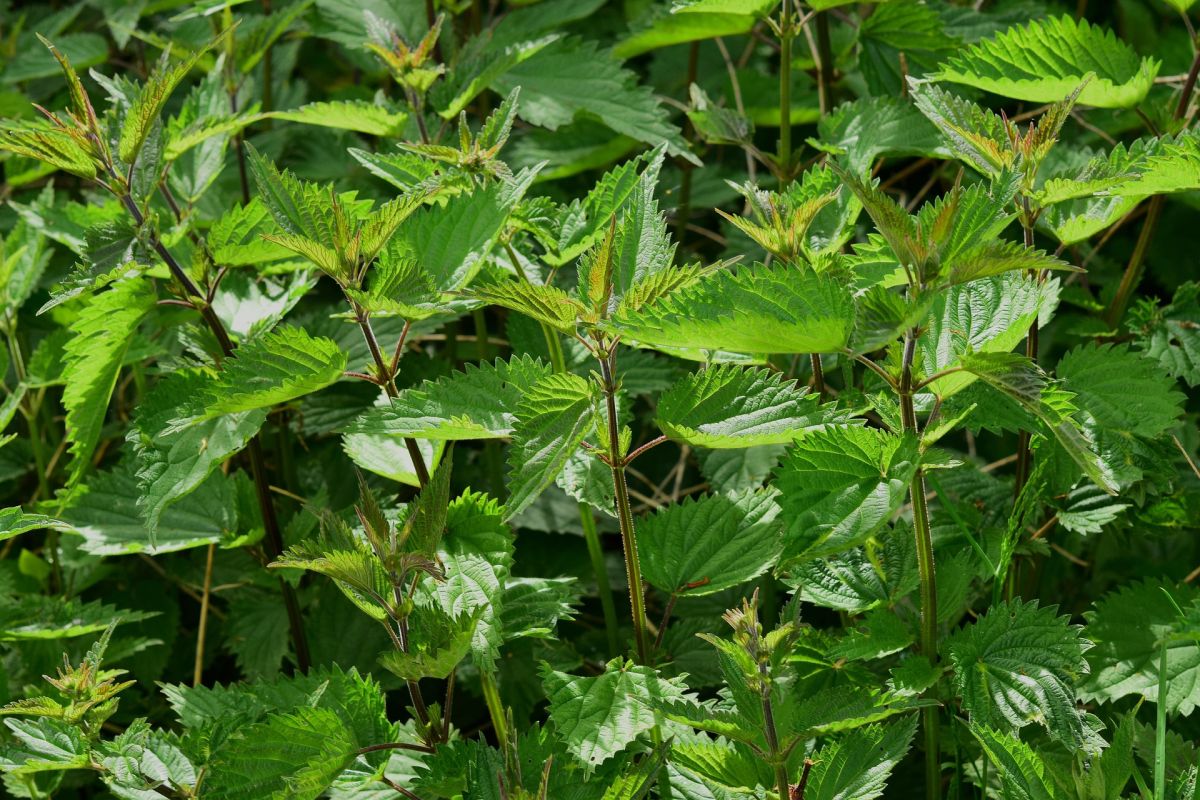 Nettle – considered by many to be a simple weed – is actually an extremely valuable plant with scientifically proven medicinal potential, which forms a bridge between traditional and modern medicine. Nettle is a medicinal plant with an extremely complex mechanism of action, which has a beneficial effect on all important stages of wound healing. According to research, it can accelerate wound closure, reduce inflammation and the risk of infection, and promote cell regeneration and collagen production. In addition, it contributes to better tissue formation and the reduction of scarring.
Witch hazel and Wound Healing
March 19, 2026
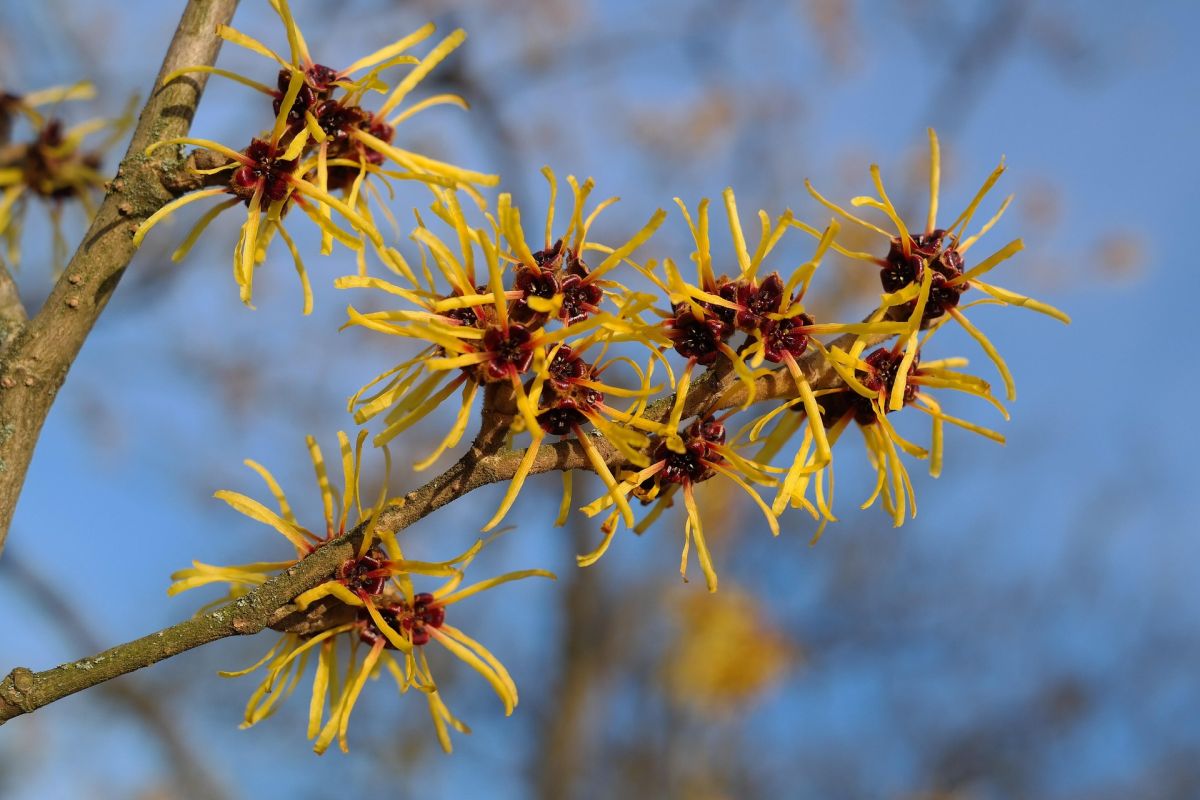 The large-leaved witch hazel is one of the most significant medicinal plants in the fields of dermatology and wound care. Its effectiveness is primarily due to its rich content of active ingredients. Tannins, flavonoids, and other phenolic compounds have astringent, anti-inflammatory, antibacterial, and antioxidant effects. These physiological properties allow the plant’s extracts to support the wound healing process in several ways: they reduce bleeding, alleviate inflammation, protect damaged tissues from infection, and promote tissue regeneration. The plant extract is now widely found in various pharmaceutical and cosmetic products designed to maintain skin health and support wound healing. H. virginiana is an excellent example of how a traditional medicinal plant can become an important tool in modern phytotherapy and dermatology.
Hazelnut and Wound Healing
March 6, 2026
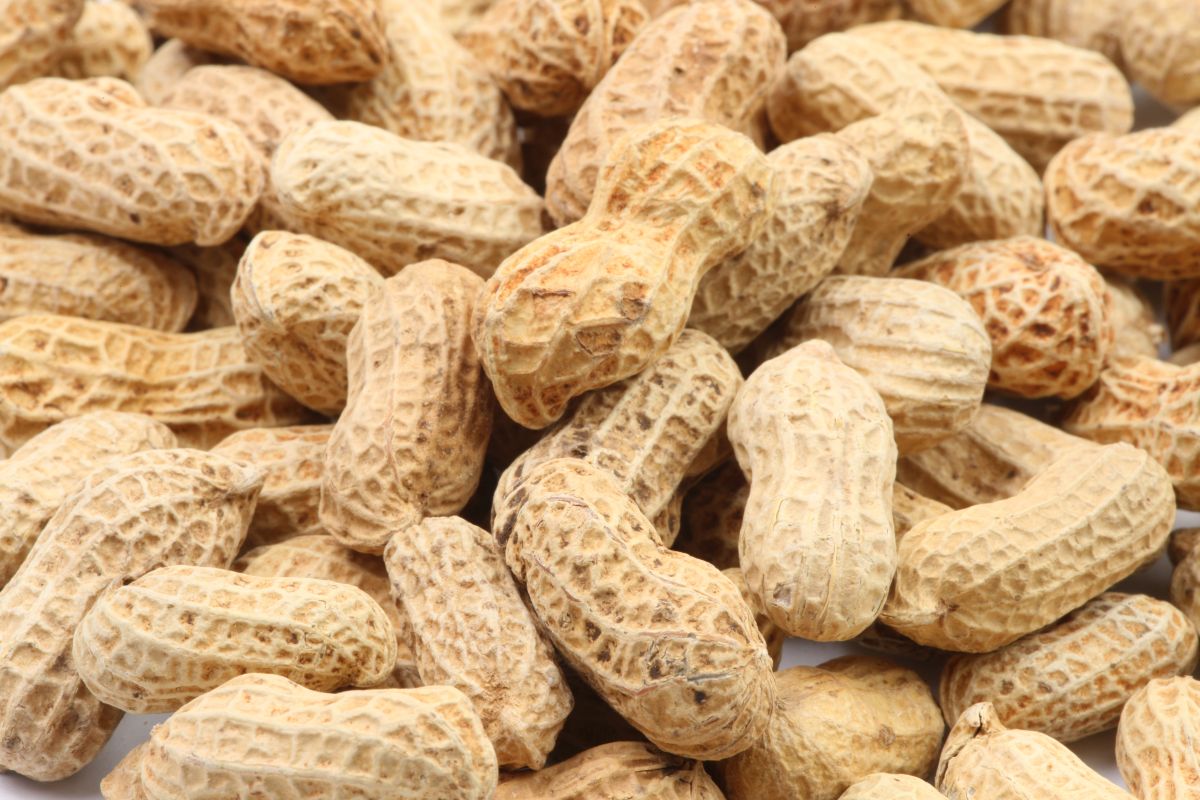 Hazelnut is a plant with a thousands-year-old medicinal history, which humanity has used not only as food, but also as a wound-healing and anti-inflammatory agent. From ancient civilizations to medieval folk medicine, it has been present in the treatment of wounds, infections and inflammations. Modern science now confirms its antioxidant effect, antibacterial properties and skin regenerating potential. Hazelnut tannins have an astringent effect, its polyphenols protect against oxidative damage, and its oil supports skin regeneration. Perhaps hazelnuts – especially its leaves and bark – may once again play a significant role in the phytotherapeutic and natural-based wound treatment systems of the future.
Walnut and Wound Healing
February 20, 2026
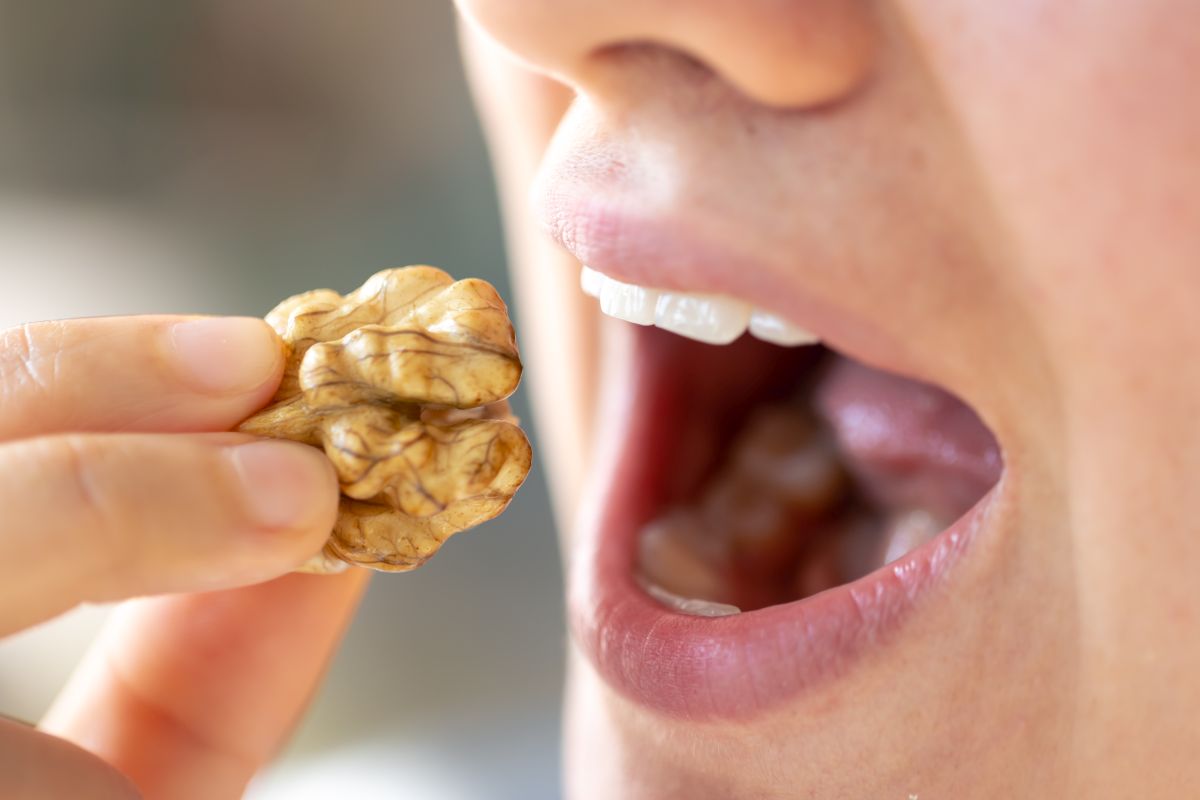 The positive effects of nuts on health are now backed up by serious scientific research, including cardiovascular benefits, anti-inflammatory effects, and, increasingly, wound healing and skin regeneration. Although many preliminary and preclinical data are promising regarding the role of nuts in supporting wound healing, current scientific evidence is not yet strong enough to routinely recommend them as wound treatment agents in clinical practice. More randomized human clinical trials are needed to precisely determine dosages, forms (oil, extract, ointment, etc.), and potential side effects.
Reptiles and Wound Healing
January 29, 2026
 The study of reptiles in the field of wound healing and wound management has yielded scientific and practical insights that go far beyond the animal kingdom. The regenerative abilities of lizards, the unique structure of reptile skin, the slow but precise wound healing processes, and the evolutionary importance of ancient species such as the tuatara have all contributed to the development of new approaches in modern medicine. Reptiles are not only unique organisms, but also biological models that help us understand the deeper mechanisms of regeneration and wound healing. In the future, we expect to see even more innovations in this field – whether in the form of new wound treatment materials or regenerative therapies – based on these fascinating animals.
Winter and Wound Healing
January 16, 2026
 The winter months pose a special challenge for the management of both acute and chronic (non-traumatic) wounds. Cold, dry air, reduced circulation and winter stress on the immune system can all slow down healing. The key to success is prevention, personalized therapy, maintaining a moist wound environment and supporting circulation. Modern wound care guidelines and innovative therapies make it possible for the winter season not to automatically mean deterioration – but this requires conscious, consistent and professionally based care.
The State of the Wound Care Support Industry in 2025
December 30, 2025
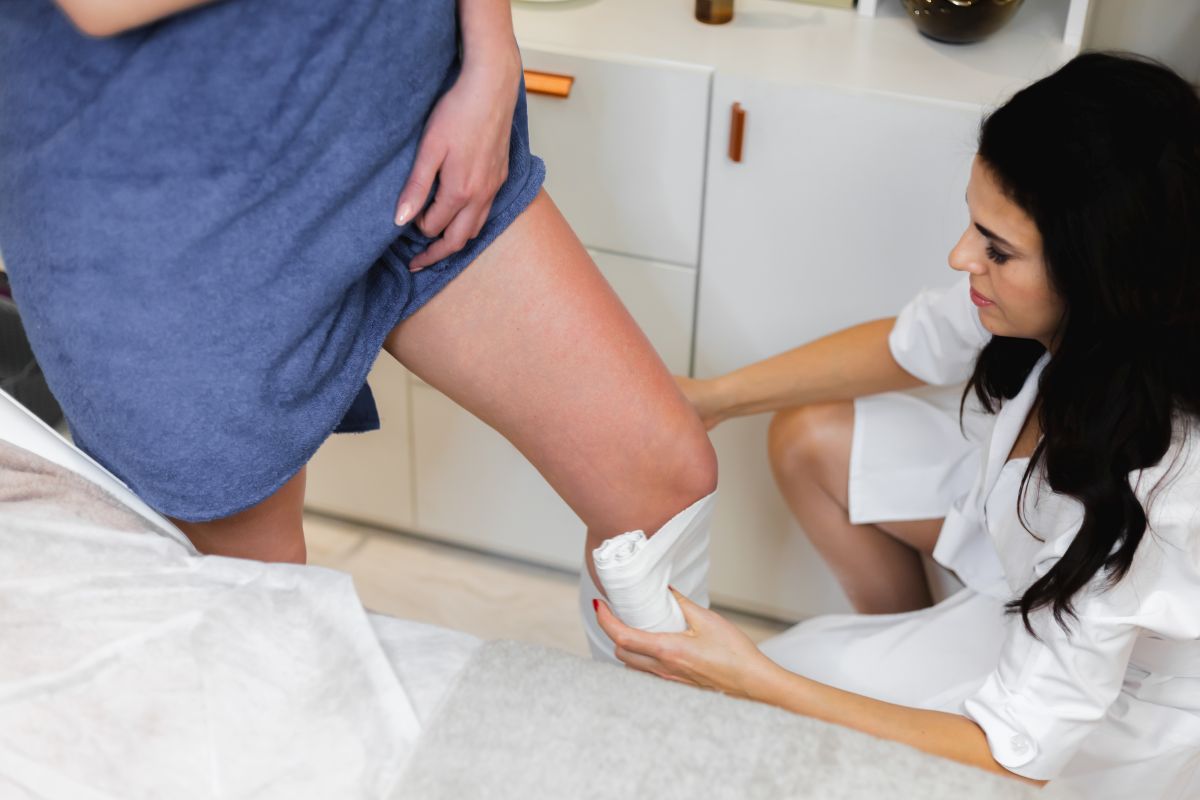 In 2025, the clinical wound care support industry is on a comprehensive growth trajectory, driven by the rise of chronic diseases, technological innovation and specialized care models. The growth of market sizes (tens of billions of USD globally), the rise of different segments – dressings, digital devices, biomaterials – and the introduction of AI-based and mobile solutions all indicate that wound care has arrived at the center of clinical care. However, economic and regulatory factors point to the fact that the industry is not without challenges. The balance sheet for 2025 thus paints a picture of a market that is not only evolving technologically, but also becoming more strategically mature, while becoming increasingly integrated into global healthcare systems.
Willow and Wound Healing
December 19, 2025
 The millennial folk tradition of using willow for medicinal purposes and modern chemical-biological research together show that Salix extracts do indeed have a place in the skin and wound care palette – especially for small, non-serious wounds and inflammation as a support for wound healing (e.g. reduction, antibiofilm effect). However, further high-quality studies are needed in the field of clinical verification and safety regulation before we can talk about a wide-ranging, standard medical application.
Philosophy of Wound Healing
December 4, 2025
 The philosophy of wound care is not merely a medical task, but a practice with profound ethical, ontological, technological, and human implications. As we celebrate Philosophy Day, it is worth reflecting on how wounds are not just physical wounds, but also symbols of life’s vulnerability, dependency, and hope for healing. Incorporating empathy into wound care, embracing palliative approaches, wisely using technology, taking a holistic approach, and providing personalized care are all philosophical choices that reflect deeper human values. The philosophy of wound care reminds us that the body is not simply a mechanical structure, but a living, sentient, social entity, and that the art of healing does not end with biology.
The Future of Wound Healing from a Taiwanese Perspective
November 15, 2025
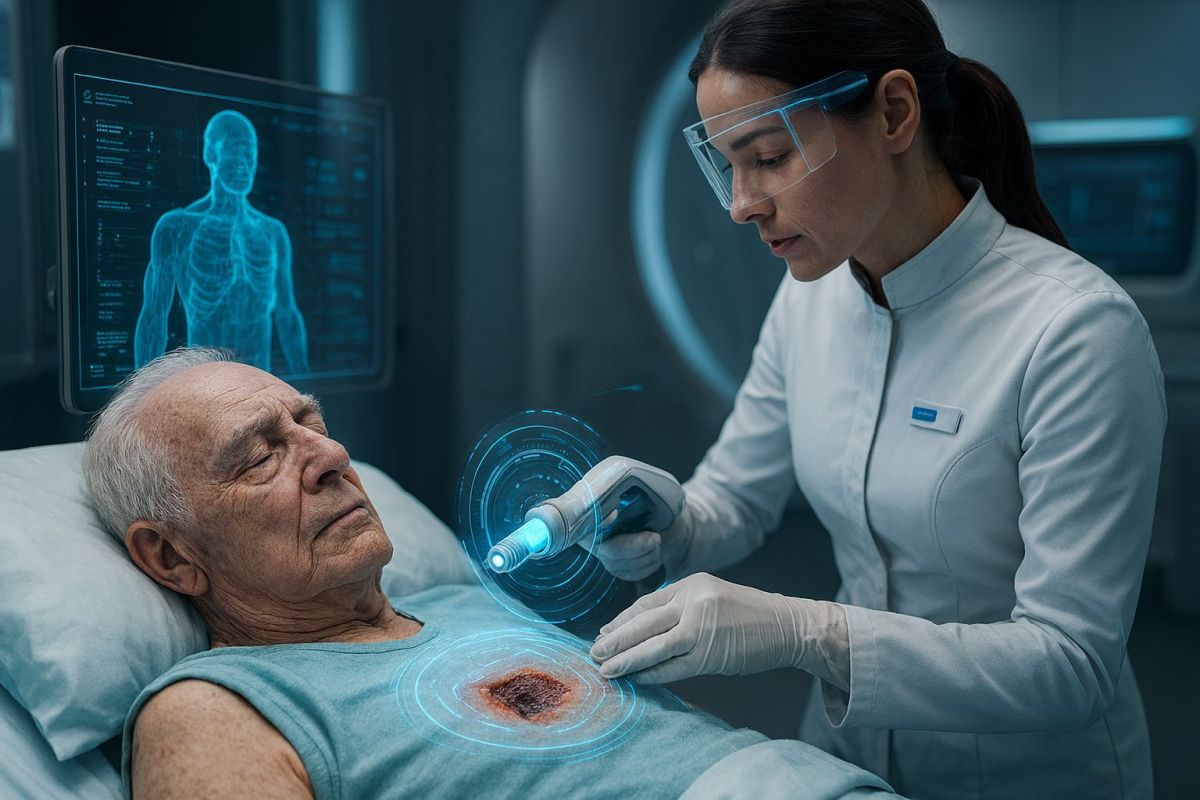 According to Taiwanese researchers, the future of wound care is exciting and holds many possibilities: from simple bandages to active, intelligent, biologically and materially optimized systems that not only passively cover the wound, but also actively support the regeneration process, monitor the condition, and adapt to the patient's needs on an individual basis. However, the path to development is not smooth: costs, regulations, long-term safety, and lack of clinical evidence pose serious obstacles. These issues are not just obstacles, but complex problems that require a coordinated, interdisciplinary effort to solve. And, as with any medical technology breakthrough, true breakthrough is not just a matter of innovation, but also of implementation, integration into the healthcare system, and acceptance by patients and clinicians.
Rose and Wound Healing
October 31, 2025
 Roses – and especially rose oils, extracts and waters – have biochemical properties (antioxidant, anti-inflammatory, antimicrobial) that, in theory and in laboratory studies, support wound healing. Animal studies suggest that rosehip oil, for example, may be able to accelerate wound healing and improve scar formation. However, human clinical evidence is not yet sufficient to recommend rose as a stand-alone, standard method of wound care. However, as a complementary approach – e.g. as part of wound management where standard care (cleaning, disinfection, appropriate dressing, ensuring a moist wound environment) is already implemented – the use of rose-derived materials seems justified.
Fatigue and Wound Healing
October 16, 2025
 The relationship between chronic fatigue and wound healing, although not fully proven, is a lively research topic with many mechanisms and clinical implications. The state of chronic fatigue itself can affect wound healing – for example, through inflammatory mediators, energy depletion, and reduced microcirculation. However, the wound itself, pain, and sleep disturbance can further worsen fatigue. Wound management becomes truly effective when it takes into account the general condition of the patient – especially fatigue, inflammatory status, and quality of life – and not just the local characteristics of the wound. Although we do not yet know all the details of the causal relationships, clinical experience and detailed mechanistic knowledge suggest that taking chronic fatigue into account is not just a “luxury” but potentially a key to successful wound management, especially in chronic and difficult-to-heal wounds.
Pineapple and Wound Healing
October 4, 2025
 The biological properties of pineapple – and especially the bromelain enzyme complex – (protease activity, anti-inflammatory, immunomodulatory, antioxidant effects) are very well suited to the mechanisms of wound healing. The currently available laboratory, animal and small clinical studies show encouraging results, especially in the form of enzymatic debridement, topical application and oral supplementation. However, several challenges remain: the development of appropriate formulations (stability, dosage, penetration), detailed assessment of the safety profile (irritation, allergy, side effects), and a large number of controlled clinical trials are necessary for pineapple-derived preparations to be incorporated into standard wound care protocols.
Stevia and Wound Healing
September 18, 2025
 Stevia (Stevia rebaudiana) may be a promising natural aid in wound healing, as it has anti-inflammatory, antioxidant and antimicrobial effects, as well as promoting tissue regeneration and faster wound closure. Although its applications so far are mainly based on animal studies, the results are encouraging: stevia may contribute to wounds healing with less scarring and faster. However, further clinical trials in humans are needed to confirm that the laboratory results are fully valid in practice.
Basil and Wound Healing
September 4, 2025
 Basil is not only a delicious herb, but it can also play a role in wound healing. Its active ingredients help reduce inflammation, prevent infections, and regenerate tissues. Scientific research and traditional medicine both support its wound healing effects, so its use deserves a place among natural wound treatment methods. Its use can be especially useful in the case of minor injuries and can contribute to faster, complication-free healing. Although it is not a panacea, it is still a plant that supports the body's self-healing processes with the power of nature.
Chlorine dioxide and Wound Healing
August 21, 2025
 Chlorine dioxide offers a promising option in the field of wound care, especially in cases where conventional disinfectants or antibiotics are not sufficiently effective. Its potent antimicrobial activity, low toxicity, and the avoidance of resistance development make it particularly attractive. However, further research and well-designed clinical trials are needed to ensure that this agent can be safely and standardizedly incorporated into wound care protocols. If these conditions are met, chlorine dioxide could become an important player in the toolbox of modern wound disinfection.
Breast Milk and Wound Healing
August 7, 2025
 Breast milk is not only essential during the first months of life, but also an underrated natural remedy. Its bioactive components effectively support the wound healing process, especially in the case of minor injuries. Although modern medicine offers a number of advanced wound treatment methods, breast milk remains a noteworthy alternative due to its simplicity and natural composition. Scientific research increasingly supports the healing potential of breast milk and opens up new possibilities in the field of wound treatment – even as the basis for future therapeutic solutions.
Indian Lotus and Wound Healing
July 24, 2025
 The Indian or sacred lotus (Nelumbo nucifera) is not only remarkable for its aesthetic and spiritual value, but also holds promise as a medicinal plant. Its use in wound treatment is scientifically established and is gaining ground in natural medicine. Lotus is an effective wound-healing agent with bioactive compounds, while its symbolism also suggests spiritual renewal.
Blood Type and Wound Healing
July 11, 2025
 Although the relationship between blood type and wound healing is not yet fully understood, existing research suggests that blood type may influence the speed and quality of wound healing. In the future, as part of personalized medicine, blood type may be considered when developing wound care protocols. This may be particularly important for patients with chronic wounds, where every little factor can play a role in the success of healing.
Heat Waves and Wound Healing
June 26, 2025
 Heat waves not only cause unpleasant physiological symptoms, but also pose a serious challenge in the field of wound care. The warm, humid environment provides an ideal breeding ground for the development of infections, while the body's ability to regenerate may decrease. Therefore, it is especially important to pay increased attention to proper wound care, maintaining hygiene and ensuring the body's hydration during the summer months. Conscious wound care not only speeds up healing, but can also prevent serious complications.
Asparagus and Wound Healing
June 12, 2025
 Asparagus is not only a tasty and versatile vegetable, but it also has many beneficial effects on the human body. Due to its high content of vitamins, antioxidants and anti-inflammatory compounds, it can play an important role in strengthening the immune system and in cell regeneration. Although its role in wound treatment still requires further research, studies to date show that asparagus extracts can promote faster and more effective wound healing. Accordingly, asparagus may even serve as an important component of natural wound treatment therapies in the future. It is therefore worth paying close attention to the application possibilities of asparagus, especially in supporting regeneration processes.
Watercress and Wound Healing
May 29, 2025
 Watercress is a versatile, nutrient-rich plant, and its regular consumption can have many positive effects on the human body. Not only does it strengthen the immune system, it also contributes to cardiovascular health and protects cells through its antioxidant effects. It also has a role in folk medicine, where its high vitamin C and antioxidant content can be useful in promoting wound healing. Although watercress can only be used as an adjunct to modern medicine, it may be worth rediscovering the potential of this natural plant. For health-conscious people, watercress is a natural ‘superfood’ that is not only tasty but also has medicinal properties.
Infrared Light and Wound Healing
May 15, 2025
 The therapeutic use of infrared light opens up new possibilities in the field of non-invasive, side-effect-free healing methods. Its role in wound treatment is particularly promising, as it can not only shorten healing time, but also improve the quality of wounds, reduce the degree of scarring and prevent infections. The effects of red and infrared light at different tissue depths allow us to apply targeted therapies tailored to the patient's current condition. Although the technology is still relatively young, the results so far are encouraging, and it is expected that more and more medical and rehabilitation centers will incorporate this therapy into their treatment protocols in the future. Light, which for centuries had primarily a symbolic meaning in healing, is now claiming a place in the toolbox of modern medicine as a concrete, scientifically supported tool.
Insomnia and Wound Healing
May 1, 2025
 Insomnia not only affects the quality of waking hours, but also has profound consequences for the body's regenerative abilities. Lack of sleep significantly slows down wound healing, increases the risk of infections, and can cause chronic inflammation, which can lead to further complications in the long term. Current research shows that ensuring adequate sleep is not just a luxury, but an essential part of maintaining physical health. Therefore, in optimizing wound healing, special attention should be paid not only to wound management, but also to improving sleep quality. Treating insomnia is therefore crucial not only for quality of life, but also for healing. By restoring healthy sleep patterns, the body can regain its original regenerative abilities, supporting faster, more effective and complication-free wound healing.
Incontinence and Wound Healing
April 17, 2025
 Incontinence is not an isolated problem, but a condition that affects many areas of healthcare, including wound care. Inappropriately treated incontinence can aggravate skin lesions, lead to infections and slower wound healing, especially in elderly or debilitated patients. Successful wound care is therefore not possible without simultaneous, targeted treatment of incontinence. Effective care is based on an integrated approach that takes into account not only the symptoms, but also the factors leading to them. Protecting the skin of incontinent patients, using modern wound care procedures and regular assessment of the condition all contribute to faster and more uncomplicated wound healing.
Digital Twins and Wound Healing
April 3, 2025
 The application of digital twin technology in wound care not only represents a technological advance, but also poses ethical and societal challenges. While the innovation is enticing and the benefits are tangible, issues of data protection, patient safety, and technological accessibility need to be carefully considered. However, the benefits may far outweigh the potential drawbacks, as the use of digital twins can contribute to faster healing, reduced costs, and improved patient care. In the future, this technology could revolutionize wound care protocols and open new avenues for medicine, thereby improving the quality of life of patients and increasing the effectiveness of treatment.
Baking soda and Wound Healing
March 20, 2025
 The versatility and availability of baking soda undoubtedly make its use in wound care attractive, especially for those looking for an easily accessible, at-home solution. Research and experience to date suggest that the antibacterial and anti-inflammatory properties of baking soda may contribute to the wound healing process. While its use may be beneficial in certain circumstances, excessive or inappropriate use can also cause side effects. Experts warn that maintaining skin balance is key during wound care, so it is worth seeking medical advice before using baking soda.
Cabbage and Wound Healing
March 6, 2025
 Cabbage (Brassica oleracea) is one of the oldest and most widely cultivated vegetables. It has been cultivated since ancient times and has been used as a food and medicinal herb. The study of the relationship between the plant and wound healing highlights that natural remedies may still have a place in modern healthcare. Although the scientific evidence is not yet complete, cabbage's antioxidant and anti-inflammatory effects make it worth considering as a complementary therapy. Combining the wisdom of folk medicine with modern research may create the opportunity to effectively use cabbage (and other natural remedies) to support wound healing.
Frailty and Wound Healing
February 20, 2025
 The relationship between frailty and wound care is receiving increasing attention in medical practice, as optimal care of patients with frailty can significantly improve their quality of life and reduce hospital length of stay. The success of wound management in this population depends not only on the methods used but also on holistic patient care. Preventive approaches, close monitoring and individualised treatment plans can all contribute to better outcomes, reducing the risk of complications. Considering frailty is therefore not only a professional challenge but also an opportunity to improve patient care.
The Near Future of Wound Healing
February 7, 2025
 The future of wound care is increasingly moving towards innovation and precision medicine. While there are still many challenges ahead, including the availability and cost-effectiveness of new technologies, the direction of progress is encouraging. The goal is not just to heal wounds, but also to prevent disease and improve quality of life in the long term. Companies that can leverage technological advances to create more effective, patient-friendly and cost-effective solutions will be well-positioned to capitalize on the growing demand for wound care products. In addition, entering untapped regions and strengthening healthcare infrastructure in developing economies represents a huge growth opportunity as the demand for advanced wound care increases worldwide. The convergence of medicine and technology will make future wound care more effective, faster and patient-centric than ever before.
Juniper and Wound Healing
January 23, 2025
 Juniper is a plant known and used for centuries, which has many medicinal properties. Extracts obtained from juniper can be used both externally and internally. Traditionally, tea, tincture or essential oil are used to improve the functioning of the digestive system, reduce water retention, and treat respiratory diseases. In the field of skin care, the antiseptic and healing properties of juniper are exploited. The berries and essential oils of the plant have many anti-inflammatory, antibacterial and anti-inflammatory properties, which can be especially useful in wound treatment, help wounds heal faster and prevent infections. In addition, the plant can offer sustainable solutions in wound treatment, as they are less harmful to the environment and the body than synthetic drugs.
Almond and Wound Healing
January 9, 2025
 Almonds were part of the diet of ancient civilizations and are still very popular among people who follow a healthy lifestyle. Research in recent years has increasingly highlighted the countless beneficial effects provided by almonds, especially in the areas of vascular health, skin care and wound treatment. Almonds are not only an important element of the diet, but can also be an effective supporter of skin care and wound treatment. Its rich nutritional content and bioactive ingredients can help protect the skin and promote faster and more effective healing of wounds. These results indicate that almond and its derivatives have great potential in both traditional and alternative medicine.
Prediction and Wound Healing
December 28, 2024
 Modern medicine places more and more emphasis on individual patient care and the use of predictive technologies. This is especially true in the field of wound treatment and healing, where accurate predictions can play a significant role not only in reducing healing time, but also in avoiding complications. The possibilities of prediction in the field of wound treatment and healing can revolutionize medical care. The integration of data-based models, biomarkers, imaging technologies, genetic research and new tools enables more accurate predictions and personalized treatment. Although many challenges still lie ahead, the rate of technological development suggests that the prediction of wound healing may become one of the most promising areas of medicine in the future.
Obesity and Wound Healing
December 12, 2024
 Obesity is one of the most widespread health problems worldwide, which not only increases the risk of metabolic diseases such as diabetes and cardiovascular diseases, but also has a significant impact on the body's ability to regenerate. One of these critical areas is wound healing. The relationship between obesity and wound healing is multifaceted and complex. In the case of obese patients, wound healing is slower, more complicated and carries a greater risk of developing complications. It is imperative for healthcare professionals to consider these factors in patient management and adopt a holistic approach that includes obesity management, appropriate wound care, and nutrient provision. Treating obesity can not only improve the general state of health, but also significantly contribute to more efficient and faster wound healing.
Banana and Wound Healing
November 28, 2024
 All bananas contain radioactive material, Magro.hu reported on 13 November.The potassium-40 isotope found in the soft-stemmed, albeit often woody, monocotyledonous plant, which is widespread and cultivated in the tropics, is radioactive in minimal amounts, but it is completely harmless to human health. Interestingly, the human body is essentially more 'radioactive' than a banana because of its own potassium content, with the average adult having about 140 grams of potassium, which is about 280 times more K-40 than a banana. In addition, several other foods such as potatoes, spinach and Brazil nuts are also slightly radioactive because of their potassium content. Is there a link between bananas and wound care and healing? - That's what I'm trying to answer in this blog post.
Polyphenols and Wound Healing
November 14, 2024
 On October 31, Medicalonline.hu reported on the review conducted by Chinese researchers, which showed the health benefits of consuming polyphenols. According to their results published in the journal Nutrients, their intake into the body is very beneficial thanks to their antioxidant properties, their benefits are mainly in the field of anti-aging and brain protection, and this may enable the development of new therapies and dietary supplements to prevent diseases related to aging, and at the same time reduce the use of drugs. Can they also be used in wound treatment? – I am looking for the answer to this question in the current blog post.
Artificial Intelligence and Wound Healing
October 31, 2024
 On 23 October, Research and Markets published a study on the market for artificial intelligence (AI) in wound care and the prospects for this business. Experts estimate the field's revenue at $0.6 billion in 2024, but it is forecast to reach $16.4 billion by 2035, growing at a compound annual growth rate (CAGR) of 35%. A press release published on Globenewswire.com also outlines the industry under review: the integration of artificial intelligence solutions in wound management, enabling technology to embrace problem-solving capabilities and human intelligence, accelerating the diagnosis, assessment, monitoring and treatment of wounds. This article gives rise to the current blog post, where I briefly review the applicability of AI in wound management, with a particular focus on surgical image processing, predictive models, automated diagnostic systems and patient tracking applications.
Ashwagandha and Wound Healing
October 24, 2024
 Ashwagandha is an herb that has been central to Ayurvedic medicine for centuries. It is known for its many beneficial properties, including its adaptogenic properties, which help the body adapt to stress, and its ability to boost the immune system and reduce inflammation. In recent years, its potential application in wound treatment has also received attention. Due to its anti-inflammatory, antibacterial, antioxidant and tissue regenerating properties, it can be an effective addition to modern wound healing methods. Although research is still in its early stages, the results so far are encouraging and suggest that Withania somnifera may provide a natural and effective solution to support wound healing.
Cherry Melon and Wound Healing
October 10, 2024
 The cherry melon (Tribulus terrestris) is a widespread medicinal plant that has been used for centuries for various medicinal purposes. Originally from the warmer regions of Europe, Asia and Africa, it has been used extensively in folk medicine in many areas, particularly as an aphrodisiac and energizer. Today, we know that it can not only affect hormonal balance, energy levels and reduce inflammation, but can also play an important role in promoting wound healing. With its antioxidant, anti-inflammatory and antibacterial properties, it can help damaged skin tissue to regenerate more quickly and prevent infections and scarring. However, further research is needed to fully understand the role of this herb in wound management, but current evidence suggests that it already has significant potential in this area.
Thulasi and Wound Healing
October 3, 2024
 Thulasi (Indian holy basil, Ocimum tenuiflorum or Ocimum sanctum), as a wound treatment plant, plays a remarkable role in both traditional and modern medicine. Its antioxidant, anti-inflammatory and antibacterial properties make it an effective treatment for both minor and major wounds. Scientific research continues to confirm the efficacy of thulasi, and as a result its popularity in the field of natural wound healing is growing. The continuation of our mini-series.
Maca and Wound Healing
September 26, 2024
 Maca (Lepidium meyenii) or Peruvian cassava is a biennial herbaceous South American medicinal plant native to the highlands of the Andes. It was first domesticated in the Peruvian highlands around 1300-2000 years ago. Its potential benefits in the field of wound management are promising, particularly through its anti-inflammatory, antioxidant and immunostimulant effects. Although research to date is limited, results suggest that the herb may have a positive effect on wound healing. Future studies may help us to better understand how this plant can be used to increase the efficacy of wound management, both internally and topically.
The sources of the illustrations are listed in the respective article.
Menu
Tags
Share:




Follow us!: